

Wishing you could increase your property value or had some extra living space for your family? An accessory dwelling unit (ADU) could be just what you need to achieve both as it provides an extra—but separate—living space on your property. But, before you break ground, you should know the ins and outs of ADUs.
WHAT IS AN ACCESSORY DWELLING UNIT?
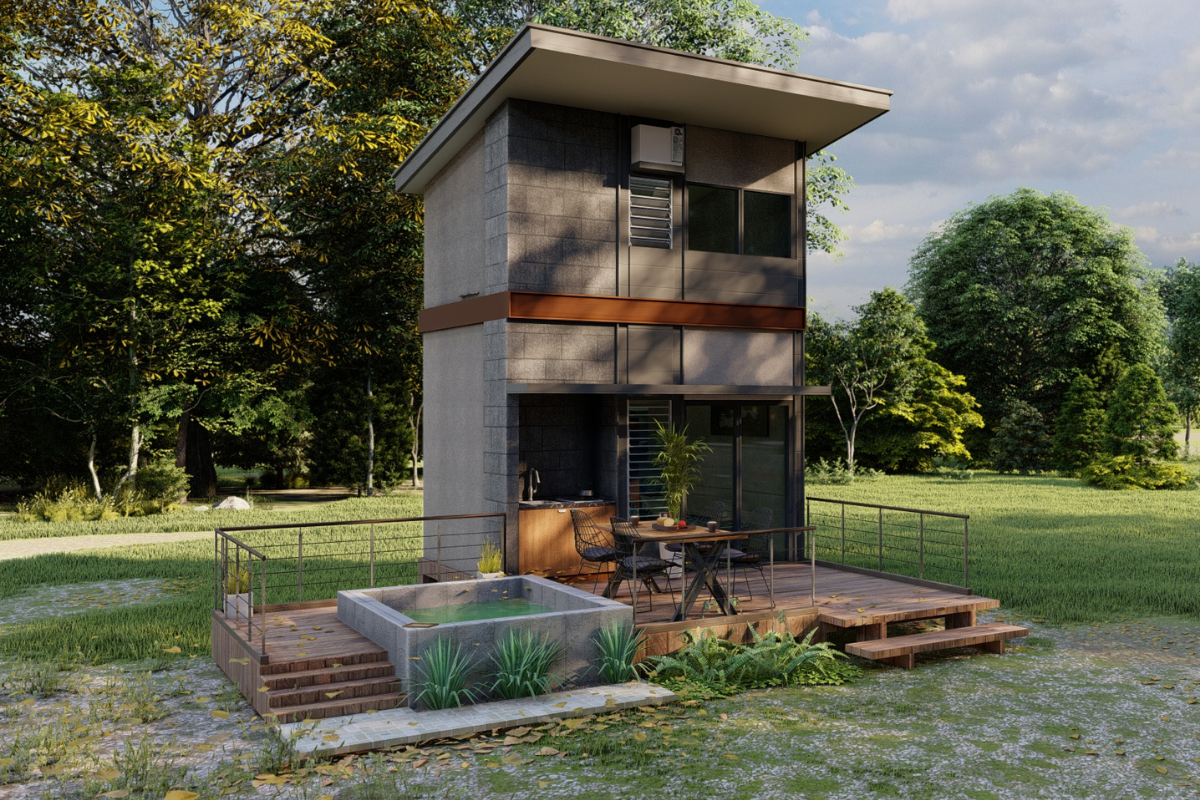
If you aren’t familiar with the term “accessory dwelling unit”, you may know it by one of its many nicknames—secondary suite, in-law suite, granny flat, or carriage house. No matter what you call it, an ADU is a smaller dwelling space on the same property as your single-family home. It could also be attached to the main dwelling provided it has its own private entrance. Common types of ADUs include above-garage apartments, basement apartments, and permanent tiny homes.
Although an ADU is a separate structure from the main house, you legally can’t sell it independently of the primary residence. However, you are allowed to rent out your ADU if you so choose.
RULES OF ACCESSORY DWELLING UNITS
Now that you know what an ADU is it’s time to talk about what makes them a proper livable space. There is a certain expectation of privacy that goes along with an ADU. In order to classify as an accessory dwelling unit, your project must include a living space, sleeping area, kitchen, and bathroom. It must also be on the same lot as the primary residence it will accompany.
As you plan for your ADU, refer to this checklist to make sure it will fulfill all the necessary requirements:
- It’s the only ADU on the property
- Smaller than the primary home
- Separate entrance and exit from the main house
- Fully-functional kitchen
- Sleeping space
- Bathroom and bathing facilities
Tip: Check with your local zoning board or city planning department in regards to their regulations surrounding ADUs.
HOW TO FINANCE AN ADU
Financing an accessory dwelling unit is different than financing a home. Since the average size of an ADU is 600-1,200 square feet chances are you won’t be able to finance your project with a traditional purchase mortgage. However, you still have quite a few mortgage options.
A renovation mortgage can help defray the cost of building your ADU. Two common loans options are Fannie Mae HomeStyle® and FHA 203K. Both loans are government-backed which means they are insured by a federal government agency and may offer more flexible qualifications like a lower down payment requirement.
Another option that can help you pay for your ADU is a refinance. With a cash-out refinance, you could tap into your home equity and use that to finance your addition. It’s worth noting that for a refinance to work in your favor it may be best to refinance when the market would allow you to get a lower rate than what you currently pay.
Talking to a PrimeLending mortgage professional can help you understand which financing option matches your needs and budget.
3 BENEFITS OF AN ADU
While adding an accessory dwelling unit to your property may seem like a bit of an undertaking, there are some benefits of ADUs to consider as you make your decision. Three benefits of building an ADU are:
- Potential increased property value. Creating an extra living space can add value to your property. Homes with an ADU have recently been priced up to 35% higher than those without ADUs.
- Supplemental income. If you choose to operate your ADU as a rental, you could generate additional income for your main home.
- Extra space. Another option is to utilize your ADU as a separate place for your parents or adult children to live and maintain their independence. It could also be used as an office or workshop if no one is occupying it.
Now that you know a little more about accessory dwelling units, go forth and explore your options. When you have questions or need some guidance on financing, contact your local PrimeLending loan officer for some insights.